Mansfield, IL
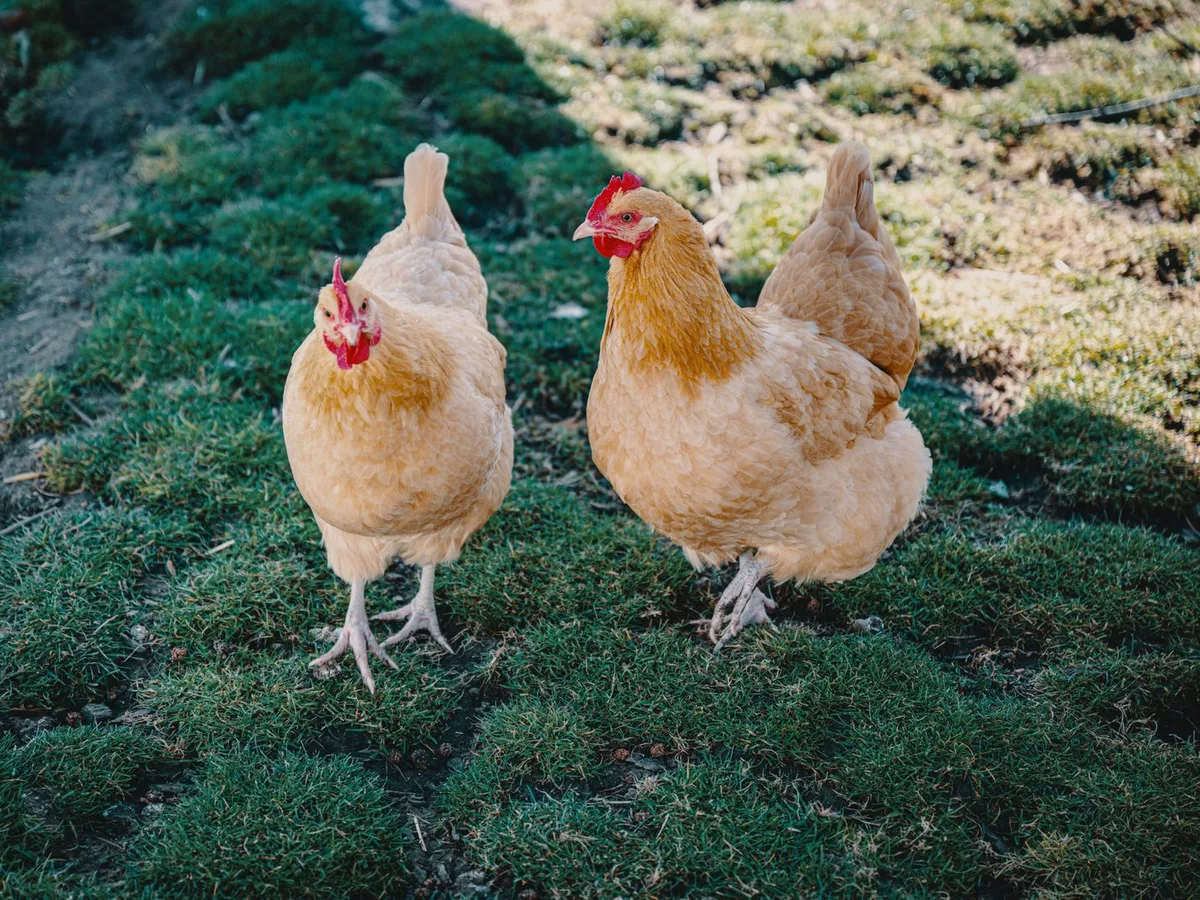
Photo: Brett Sayles / Pexels
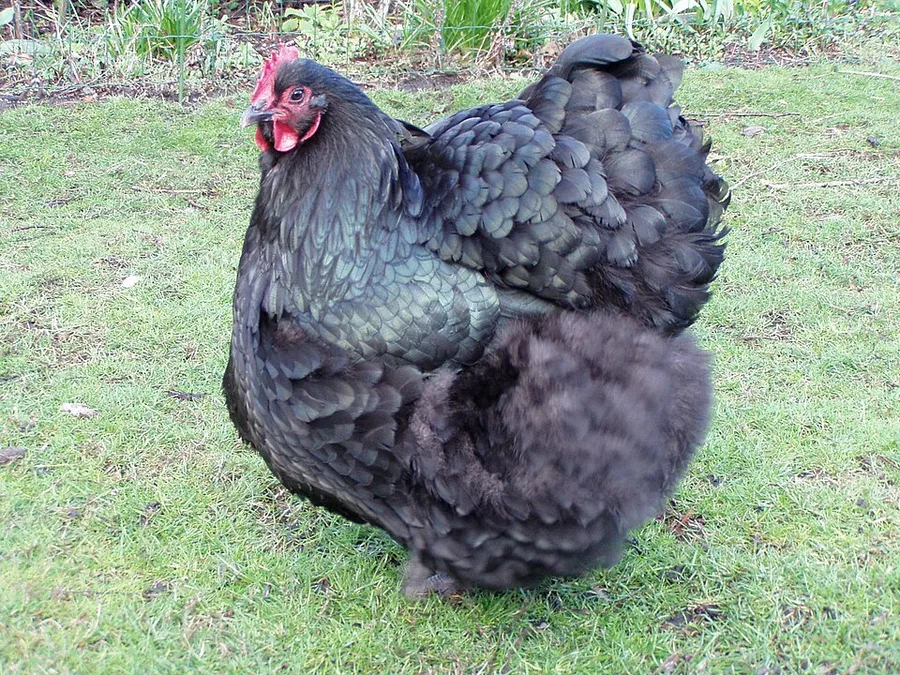
Varieties
- Purpose
- dual
- Egg color
- brown
- Eggs / year
- ~200
- Hen weight
- ~8 lbs
- Cold hardy
- Yes
- Heat tolerant
- No
- Temperament
- docile, friendly, calm
- Forages
- fair
- Broodiness
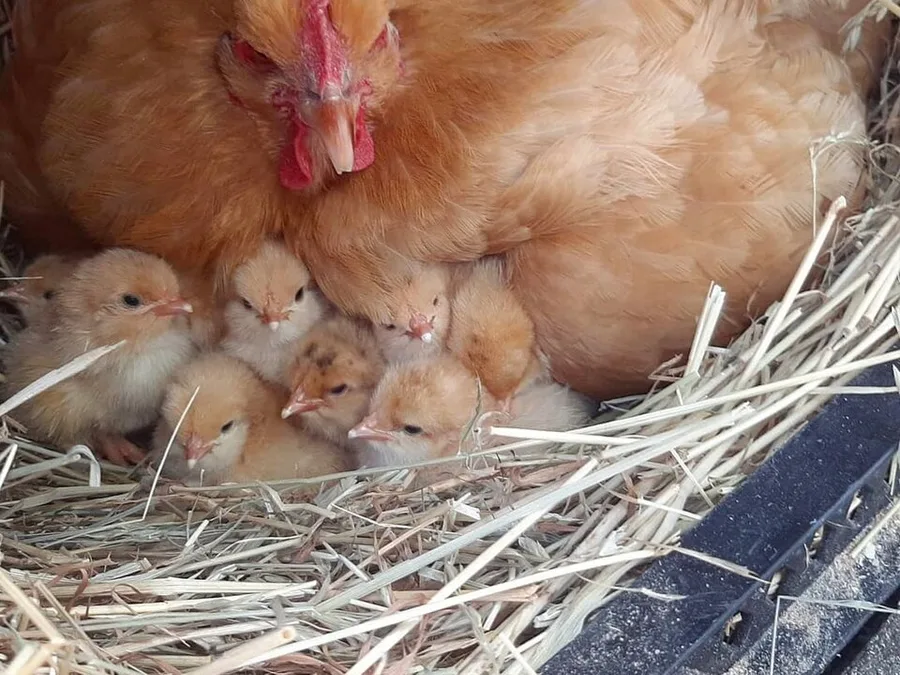
- high
- APA class
- English
- NPIP stock code
- R103
- Origin
- England
Breed guide
Orpington
Also known as: Buff Orpington, Lavender Orpington, Black Orpington, Blue Orpington, English Orpington
Developed in Orpington, Kent in the 1880s as a heavy dual-purpose fowl. Loose, fluffy feathering makes the bird look larger than it is. The Buff is the most common variety. Lavender, Black, Blue, and others circulate through breeders.
Keeper's notes
Heavy feathering handles cold and damp winters well. The fluff also holds mud. Watch for heat stress above 90F, and keep feed measured, since they run to fat.
From the 1910 Standard of Perfection
Class: English
Standard weights: cock 10 lbs, hen 8 lbs, cockerel 8.5 lbs, pullet 7 lbs
“They are large and stately in appearance with rather long, round, deep bodies, full breasts and broad backs; the abundance of hackle and saddle feathers on the male giving the appearance of a rather short back.”
Disqualifications: Buff variety: positive white in ear-lobes covering more than one-third of the surface; yellow beak or skin; shanks other than white or pinkish-white.
APA recognized varieties
English · American Standard of Perfection, 2010 list
Buff 1902Black 1905White 1905Blue 1923
Orpington listings
None right now. Have some? Post a listing. It's free.
Where to find Orpington
Showing Great Lakes. Change it with the Near box up top.
Regional breeders with this breed on file (132)
Decatur, IL
Paris, IL
Spring Valley, IL
Willow Hill, IL
Chadwick, IL
Columbia, IL
Chesterfield, IL
East Mcleansboro, IL
See the full breeder directory →
Regional hatcheries that carry it (10)
Zeeland, MI
La Rue, OH
Polk, OH
Sugarcreed, OH
Sugarcreek, OH
Cincinnati, OH
OH
West Union, OH
West Union, OH
See the full hatchery directory →
Sourced from NPIP state directories, matched by the stock codes each participant registers. A flock may keep breeds beyond what it registers, so this list runs conservative.
Keep this breed? Add to this page
Sign in to share a note from your flock or suggest a correction. We review everything before it goes up.